Prosthodontics Introduction
Prosthodontics is a branch of dentistry that deals with the replacement of missing teeth and associated structures. Sub-branch of this specialty known as maxillofacial prosthodontics pertaining to replacement of missing oral and extraoral tissue or facial structures like eye, nose, ear, etc. with artificial substitutes.
Table of Contents
Prosthodontics Definition
Prosthesis: An artificial replacement of any part of the human body.
Prosthodontics: Prosthodontics is the dental specialty pertaining to the diagnosis, treatment planning, rehabilitation, and maintenance of the oral function, comfort, appearance, and health of patients with clinical conditions associated with missing or deficient teeth and/or maxillofacial tissues using biocompatible substitutes.
Read and Learn More: Preclinical Prosthodontics Notes
Masticatory Apparatus:
The organs and structures involved in the chewing and deglutition process are collectively known as masticatory apparatus. They are maxillary and mandibular jaws, teeth of maxillary and mandibular arches, muscles of mastication, temporomandibular joint, tongue, oral mucosa, lips, and cheeks.
Prosthodontics Definition
During mastication, the jaw movements along with the movement of the tongue, lips, and cheeks are important to move the food bolus inside the oral cavity to place the bolus on the occlusal table of teeth to chew it effectively.
Some muscles are actively involved in mastication by guiding the movement of the mandible. This group of muscles is known as the “Muscles of Mastication”. They are masseter, temporalis, lateral pterygoid, medial pterygoid, digastric, mylohyoid, and geniohyoid.
The temporomandibular joint (TMJ) is a joint that connects the mandible jaw bone with the skull. This joint is formed between the condyle of the mandible and the temporal bone of the skull so named as temporomandibular joint. Equilibrium among these structures is very important for effective mastication.
Prosthodontics Aims
- Restoration of missing tooth/teeth along with associated structures
- Restoration of maxillofacial defects/ missing tissue
- Maintenance of masticatory apparatus (maintenance of jaw bone and jaw joint with muscles)
- Restoration and maintenance of function, health comfort, and appearance of patient
- Preservation of residual oral structures.
Branches Of Prosthodontics
There are four branches of prosthodontics that deal with the replacement of the missing structure.
Removable Prosthodontics:
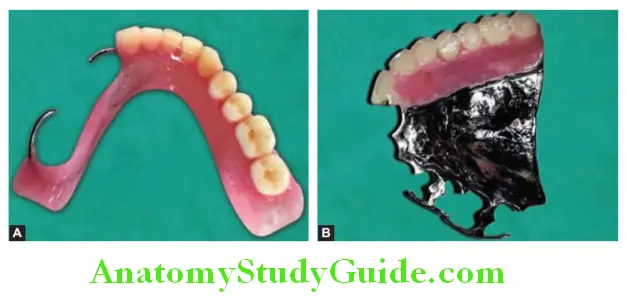
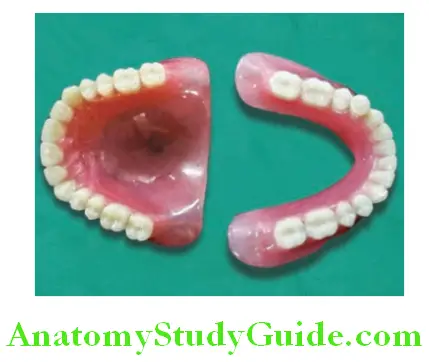
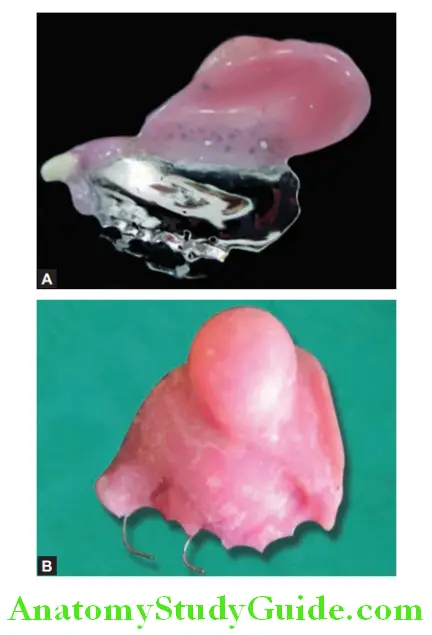
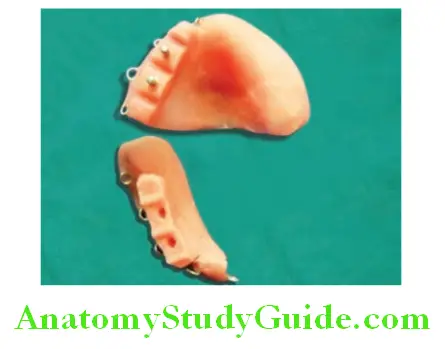
This branch of prosthodontics deals with the replacement of teeth and adjacent structures for completely edentulous or partially edentulous patients by artificial substitutes that are readily removed from the mouth. (These prostheses are not fixed in the mouth and the patient can remove and reinsert it at his/her will).
Fixed Prosthodontics:
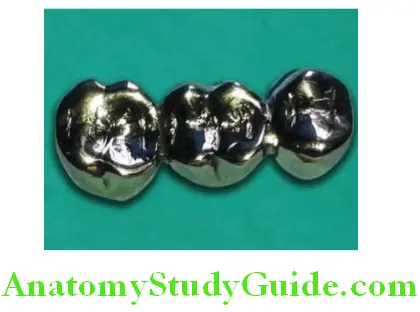
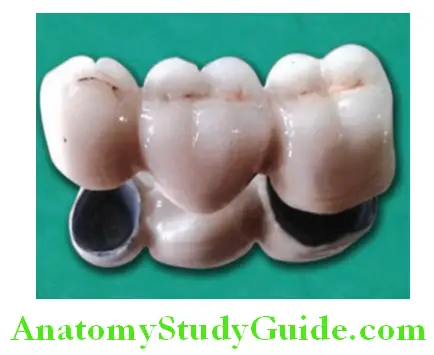
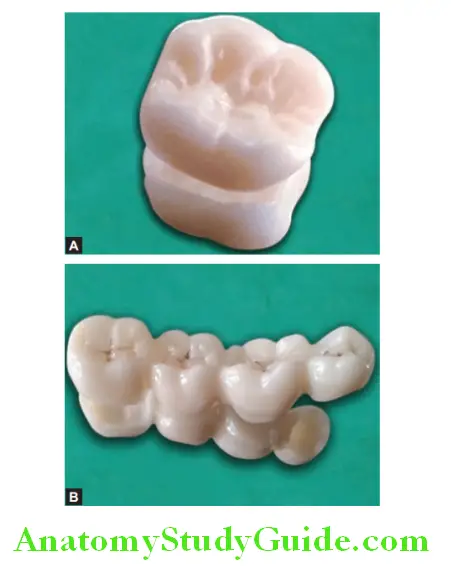
The branch of prosthodontics deals with the replacement and/or restoration of teeth by artificial substitutes that are not readily removed from the mouth. (These prostheses are fixed in the mouth with a cementing medium and patient cannot remove it, but the dentist can remove it if needed).
Maxillofacial Prosthodontics:
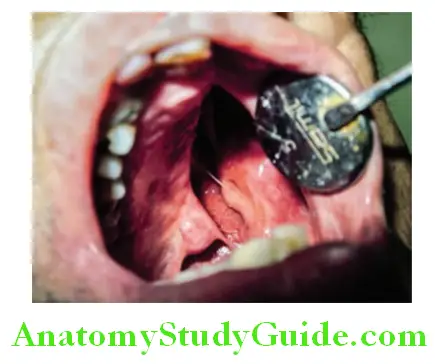
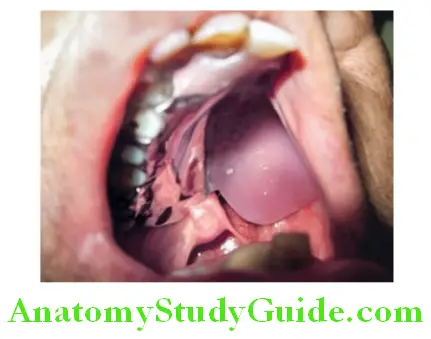
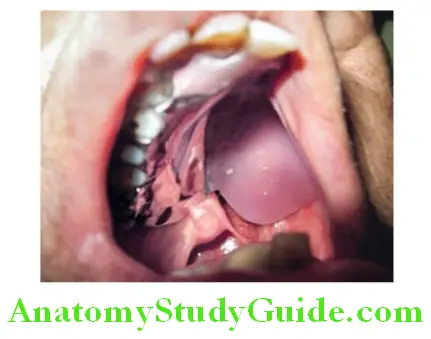
The branch of prosthodontics deals with the restoration and/or replacement of the stomatognathic and craniofacial structures with prostheses that may or may not be removable. [This prosthesis mainly replaces missing facial structures (nose, ear, eye, etc.) and restores intraoral defects].
Branches Of Prosthodontics
Prosthodontics Definition
Implant Prosthodontics:
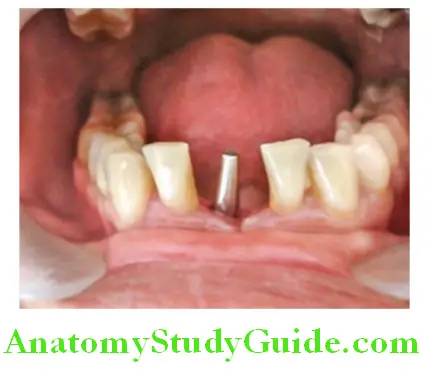
The branch of prosthodontics deals with the replacement of missing teeth and/or associated structures by restorations that are attached to dental implants.
Temporomandibular Disorders:
There is the emergence of a new subspecialty that treats disorders related to temporomandibular joint and associated structures with a nonsurgical treatment approach. The disorders related to temporomandibular joint and associated structures are collectively known as temporomandibular disorders or TMDs. These disorders are treated with various occlusion splints and occlusal therapy.
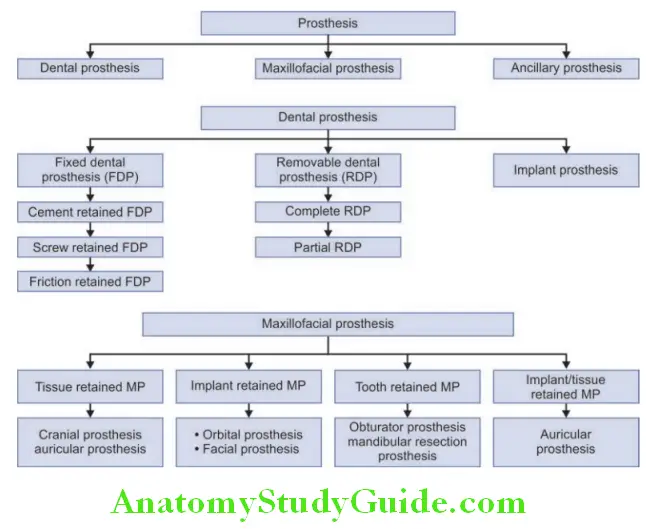
Prosthesis Types And Classification
- Removable prosthesis
- Fixed prosthesis
- Maxillofacial prosthesis
- Implant-supported prosthesis

Leave a Reply